Scuba Diving for Beginners: Complete Pool to Ocean Guide
%2Ffit-in%2F300x300%2Fusers%2F7402ab04-2209-4e64-a9af-d972d7468491%2Fprofile%2F1.webp&w=128&q=75)
Second Chance Fishing Adventure Charters LLC · Florida, United States
 Published: Sep 19, 2026
 8 min read
The Complete Journey: Scuba Diving for Beginners From Pool Training to Ocean Adventures
The underwater world holds mysteries that few people ever witness firsthand. While scuba diving for beginners might seem daunting at first glance, the path from nervous newcomer to confident underwater explorer follows a well-established progression that has safely guided millions of divers into the depths. Unlike the typical crash-course approach, true diving mastery builds methodically through distinct phases, each designed to develop both technical skills and the mental confidence needed to handle the alien environment beneath the waves.
The Foundation Phase: Confined Water Mastery
Every certified diver's journey begins in the controlled environment of a swimming pool or shallow lagoon. This isn't just about getting comfortable with equipment—it's where you'll master the fundamental skills that could save your life in open water. The confined water phase typically spans 5-7 pool sessions, each building upon the previous lesson's foundation.

Your first pool session focuses on breathing underwater through a regulator while maintaining neutral buoyancy. This sounds simple, but it requires rewiring decades of surface-world reflexes. You'll practice clearing water from your mask, recovering your regulator if it gets knocked out, and controlling your buoyancy using your lungs rather than fighting to stay down.
The progression accelerates quickly. Session two introduces emergency procedures: sharing air with a buddy, performing controlled emergency swimming ascents, and removing equipment underwater. By session four, you're navigating underwater, using hand signals, and managing your air supply like a seasoned diver.
Academic Knowledge: Understanding the Underwater Environment
Classroom learning runs parallel to pool training, covering physics, physiology, and dive planning principles. You'll study how water pressure affects your body at depth, why nitrogen absorption matters, and how to read dive tables or use dive computers to plan safe ascents.
The academic portion addresses crucial safety concepts like decompression sickness prevention, emergency procedures, and equipment maintenance. Many programs now offer online learning modules that let you study at your own pace before attending in-person review sessions with certified instructors.
Open Water Certification Dives: Your First Real Ocean Experience
After demonstrating pool proficiency and passing written exams, beginning divers progress to open water certification dives. These typically occur over a weekend at a local diving site—quarries, lakes, or calm coastal areas depending on your geographic location.
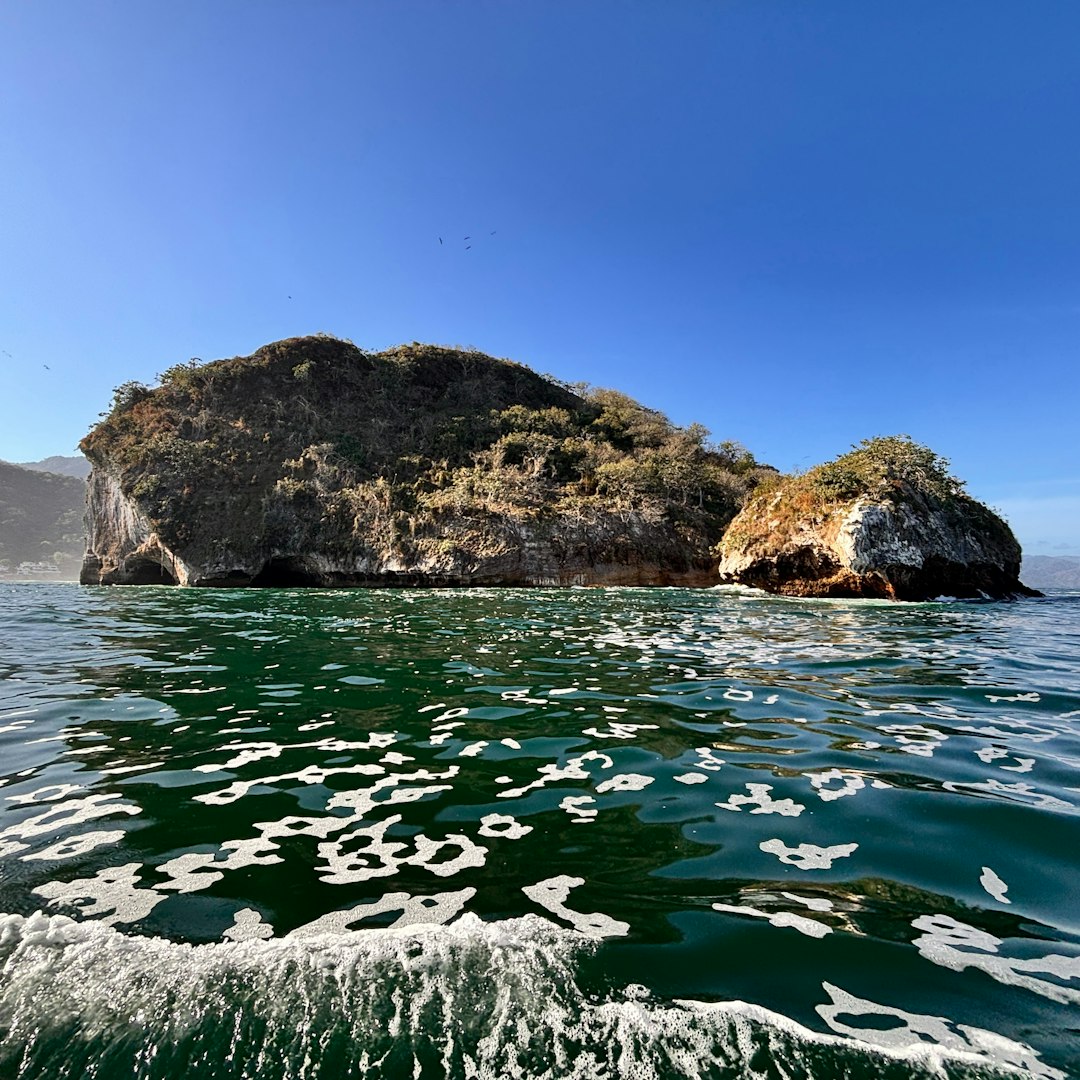
The first open water dive rarely exceeds 30 feet in depth. You'll repeat many pool skills in the natural environment, but now you're dealing with currents, reduced visibility, and the psychological challenge of deeper water. The second dive introduces navigation techniques and underwater communication in realistic conditions.
Certification requires four open water dives, with each dive building confidence and expanding your comfort zone. By the final dive, you're planning your own dive profile, monitoring your air consumption, and handling minor equipment adjustments without instructor intervention.
Essential Equipment Knowledge for New Divers
Scuba diving equipment represents a significant investment, but understanding each piece's function helps prioritize purchases and rental decisions. The basic life support system includes a mask, fins, snorkel, wetsuit, buoyancy control device (BCD), regulator system, and tank.
Most scuba diving lessons include all necessary gear, allowing you to experience different brands and styles before making purchase decisions. Professional dive shops often offer package deals for newly certified divers, but resist the pressure to buy everything immediately. Start with personal items like mask, fins, and snorkel, then gradually acquire additional gear as your diving frequency increases.
Regulators require annual servicing, BCDs need proper rinsing after salt water exposure, and wetsuits must be sized correctly for thermal protection. Your certification instructor will demonstrate proper care and maintenance procedures for each equipment category.
Building Experience: Your First 20 Dives
Certification marks the beginning, not the end, of your diving education. The first 20 dives after certification are crucial for developing muscle memory, air consumption efficiency, and situational awareness that separates novice divers from confident underwater explorers.
Start with easy diving conditions: good visibility, minimal current, and maximum depths around 60 feet. Gradually challenge yourself with slightly more demanding environments as your comfort level increases. Many dive shops offer continuing education workshops focusing on underwater photography, fish identification, or advanced buoyancy control.
Track your dives in a logbook, noting depth, bottom time, air consumption, and observations about marine life or underwater terrain. This record becomes invaluable for planning future dives and meeting prerequisites for advanced training courses.
Choosing the Right Scuba Diving Certification Agency
Several organizations offer beginner diving programs, with PADI, NAUI, and SSI being the most widely recognized. Each follows similar safety standards but uses different teaching methodologies and certification structures.
PADI's Open Water Diver course emphasizes modular learning with specific skill requirements at each level. NAUI instructors have more flexibility to adapt training to individual student needs. SSI integrates digital learning tools with hands-on training in their comprehensive programs.
Choose based on local instructor quality and dive shop relationships rather than agency politics. A skilled, patient instructor from any major certification agency will provide better training than a rushed course from the "best" organization.
Popular Destinations for Newly Certified Divers
The best scuba diving spots for beginners combine easy entry conditions with interesting underwater scenery. Tropical destinations like Cozumel, Bonaire, and the Maldives offer warm, clear water with minimal current and abundant marine life.
Temperate water destinations require more thermal protection but often provide unique diving experiences. California's Monterey Bay, North Carolina's Outer Banks, and the Great Lakes offer world-class diving for properly equipped and trained divers.
Consider joining local dive club trips or booking with dive operators who cater to newer divers. Experienced dive guides can point out marine life you'd miss on your own while ensuring you stay within safe depth and time limits.
Ready to start your underwater adventure? Contact our certified instructors today to schedule your first scuba diving lesson and begin the journey that will open an entirely new world of exploration and discovery.
The transformation from curious beginner to confident underwater explorer happens more quickly than most people expect. Scuba diving for beginners follows a proven pathway that builds skills systematically while prioritizing safety at every step. Your first breath underwater marks the beginning of a lifelong pursuit that will take you to coral reefs, shipwrecks, and underwater landscapes that exist nowhere else on Earth. The investment in proper training and certification opens access to 71% of our planet's surface that remains hidden from surface dwellers.