//users/7402ab04-2209-4e64-a9af-d972d7468491/ratecard/pexels-photo-1700656-mdshtlji.webp)
%2Ffit-in%2F300x300%2Fusers%2F7402ab04-2209-4e64-a9af-d972d7468491%2Fratecard%2Fpexels-photo-1700656-mdshtlji.webp&w=256&q=75)
%2Ffilters%3Aformat(webp)%2F300x300%2Ff2ede34f-339b-410c-9278-d574ea408761%2Freport%2Fsocial%2Fimages%2Freport%2Fmahi-mahi-inshore-fishing-catch-3127.png&w=256&q=75)
%2Ffilters%3Aformat(webp)%2F300x300%2Ff2ede34f-339b-410c-9278-d574ea408761%2Freport%2Fsocial%2Fimages%2Freport%2Fmahi-mahi-catch-west-palm-3510.png&w=256&q=75)
%2Ffilters%3Aformat(webp)%2F300x300%2Ff2ede34f-339b-410c-9278-d574ea408761%2Freport%2Fsocial%2Fimages%2Freport%2Flarge-shark-beach-fishing-catch-5245.png&w=256&q=75)
%2Ffilters%3Aformat(webp)%2F300x300%2Ff2ede34f-339b-410c-9278-d574ea408761%2Freport%2Fsocial%2Fimages%2Freport%2Fcooked-fish-fillet-dinner-plate-4461.png&w=256&q=75)
%2Ffilters%3Aformat(webp)%2F300x300%2Ff2ede34f-339b-410c-9278-d574ea408761%2Freport%2Fsocial%2Fimages%2Freport%2Fblacktip-shark-west-palm-beach-9457.png&w=256&q=75)
Palm Beach Inshore Fishing for Jackai Adventure

 Florida, United States
What you will be catching:
 Arctic Char
 Arctic Grayling
 Arrow-Tooth Flounder
 Atlantic Bigeye
 Atlantic Bonito
- 4-hour guided fishing experience targeting premium species like Sailfish and Mahi Mahi
- Multiple fishing techniques including drift, kite, and bottom fishing methods employed
- Fishing license included; live bait and mate gratuity additional costs apply
Trip Pricing and Availabilities :
Palm Beach Fishing: Jackai & More!
Hey there, fellow anglers! Ready for some serious Palm Beach action? This 4-hour trip is your ticket to some of the best fishing these waters have to offer. Whether you're a total newbie or just looking to wet a line and have a blast, we've got you covered. We'll be chasing after sailfish, mahi-mahi, wahoo, tuna, snapper, grouper, and whatever else is biting. The name of the game is variety, and Captain Rich knows how to find the hot spots.
What's the Deal?
Alright, here's the scoop: We're talking four solid hours of fishing fun. We'll mix it up with different techniques like drift fishing, kite fishing, and bottom fishing. It's all about giving you the best shot at hooking into something good. The beauty of Palm Beach fishing is you never know what might show up on the end of your line. One minute you could be battling a hard-fighting snapper, the next you might have a sailfish skying out of the water. It's that unpredictability that keeps us coming back for more.
How We Roll
Let's break down how we'll be fishing. Drift fishing is all about letting the current do the work while we present our baits naturally. It's killer for picking up snapper and grouper. Kite fishing? That's where the real magic happens for the pelagics. We'll send live baits up on kites, skipping them across the surface. When a sailfish or mahi spots that, hold onto your hat! Bottom fishing is our go-to for the reef dwellers. We'll drop down some heavy tackle and see what's hungry down there. Captain Rich will read the conditions and pick the best approach to put you on fish.
What the Folks are Saying
"Friendly, helpful, and experienced crew members who provide instruction and assistance are highly valued." - soundarya "Great trip" - soundarya
Fish You'll Want to Tangle With
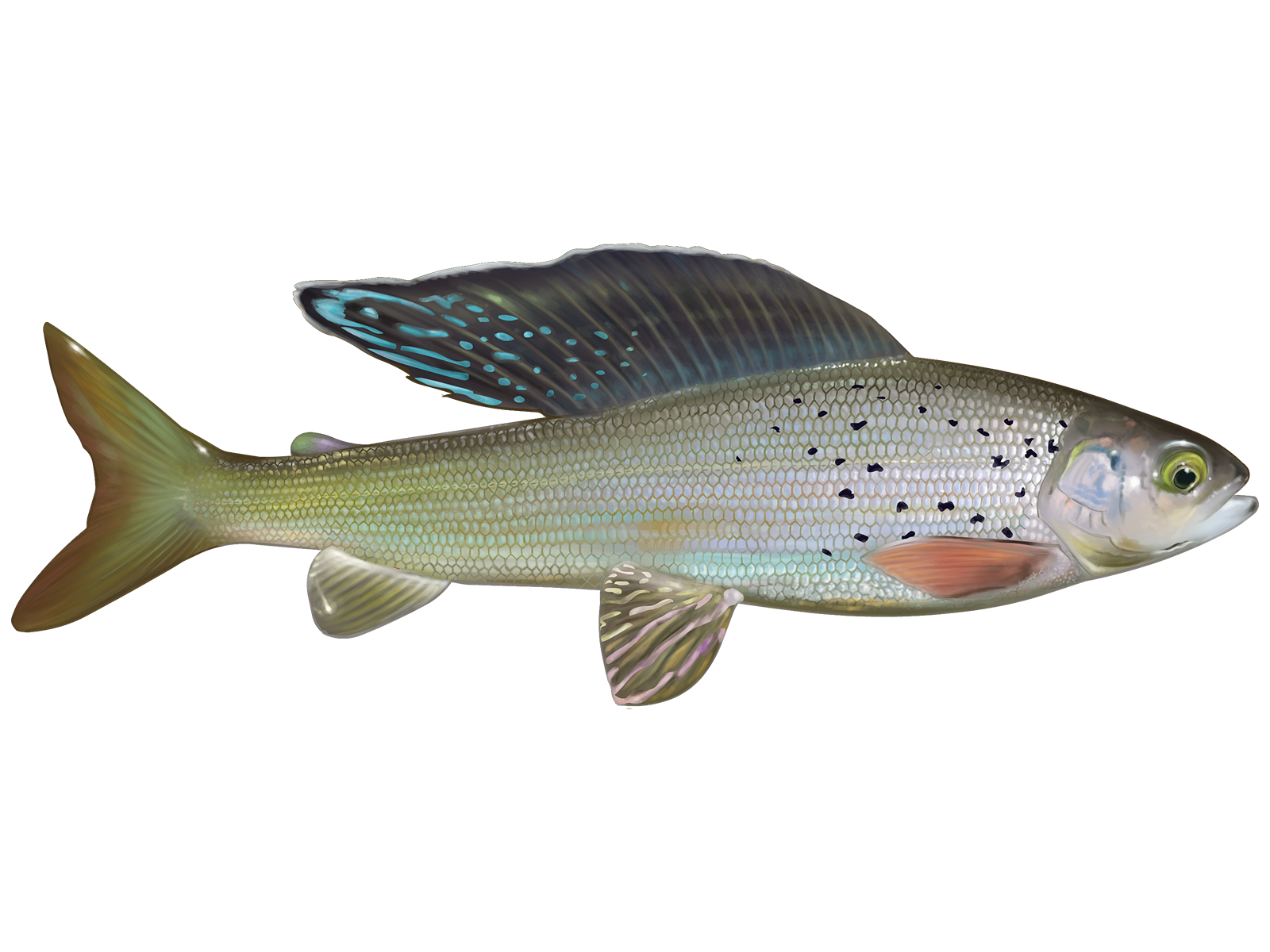
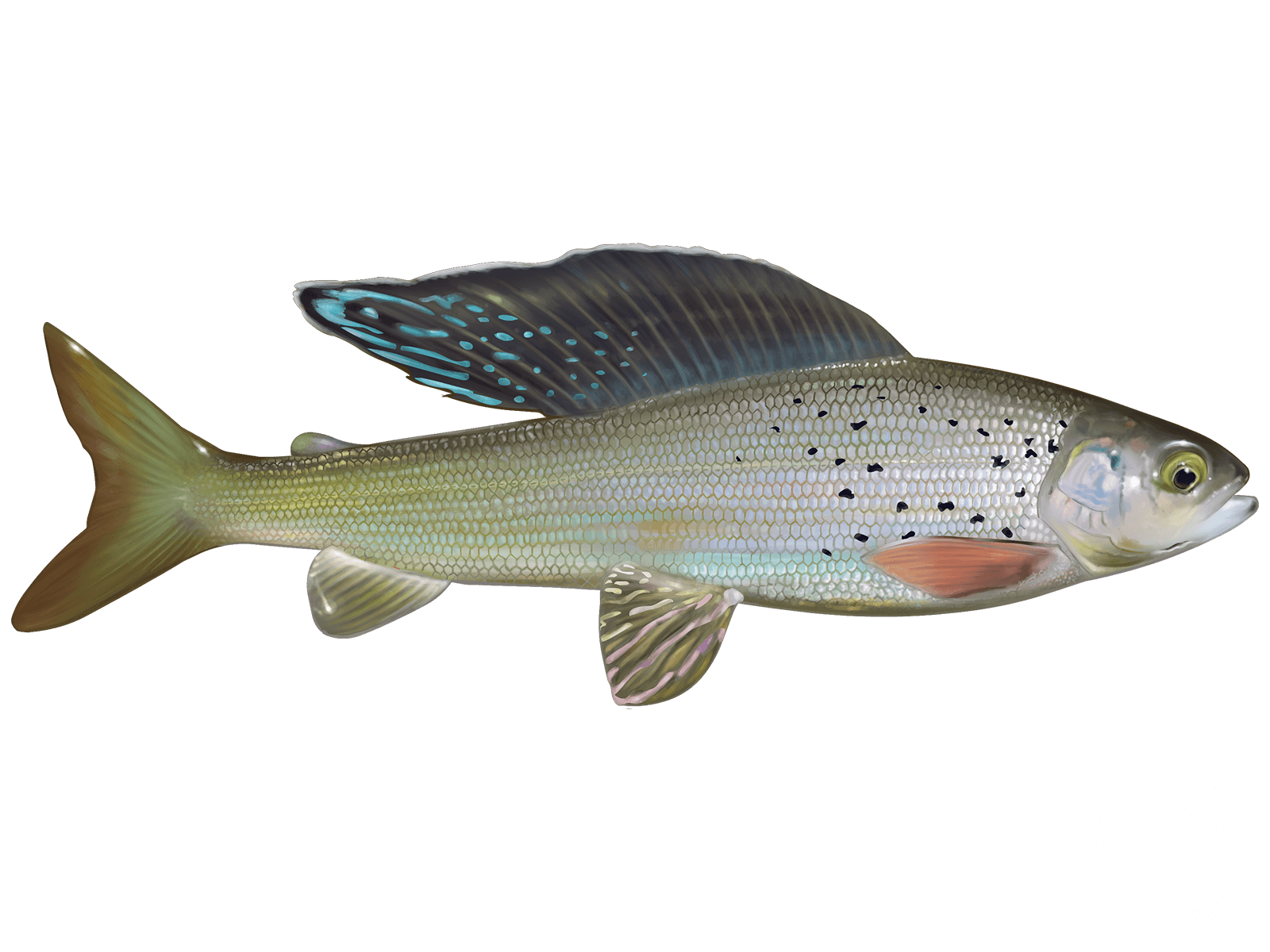
Arctic Grayling: Now, I know what you're thinking – Arctic Grayling in Palm Beach? These beauties are actually more of a northern species, but hey, fish do weird things sometimes. If by some miracle we stumble upon one, you're in for a treat. They're known for their stunning dorsal fin that looks like a sailboat's sail. They put up a scrappy fight on light tackle and are a blast to catch on the fly.
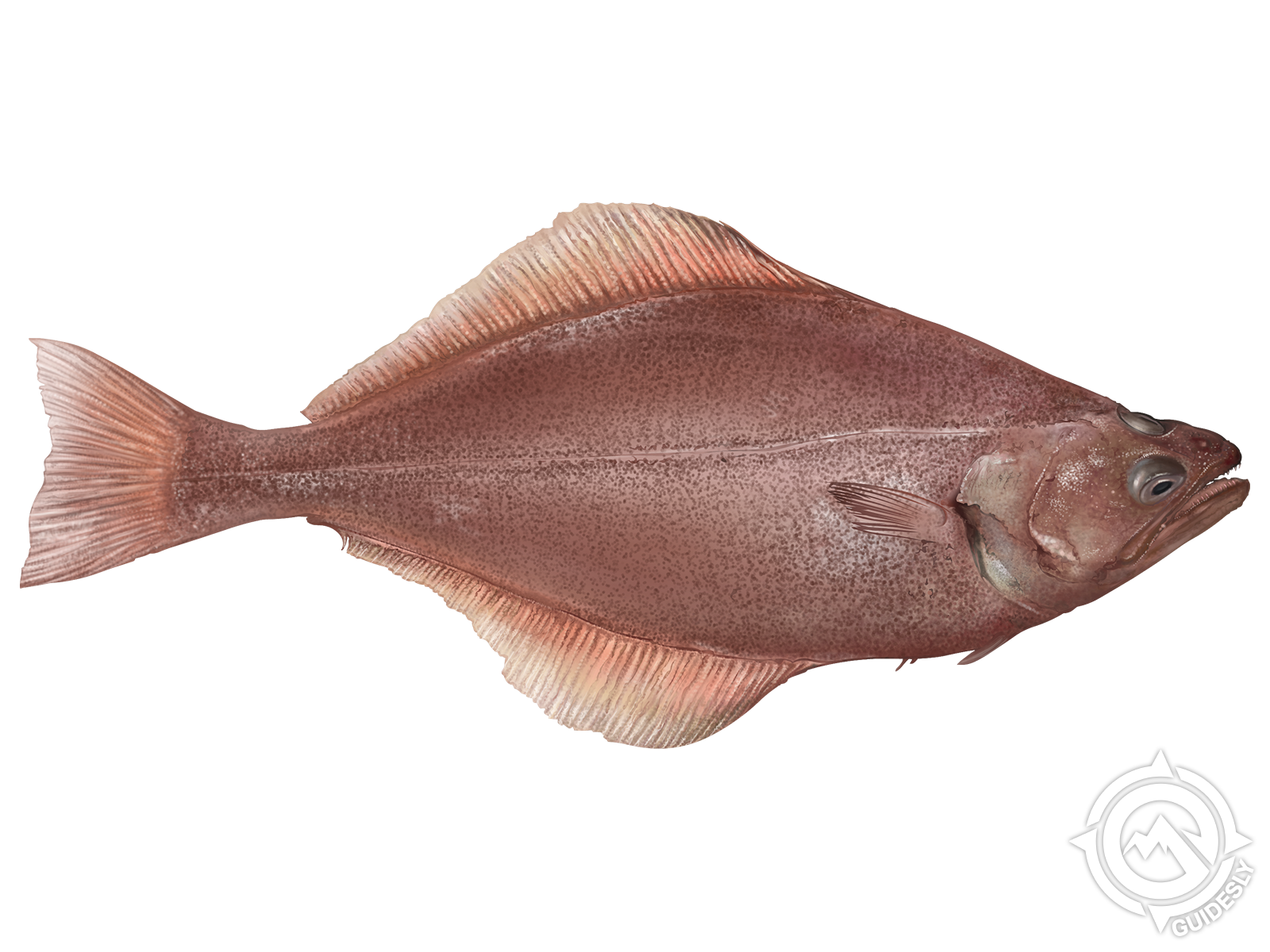
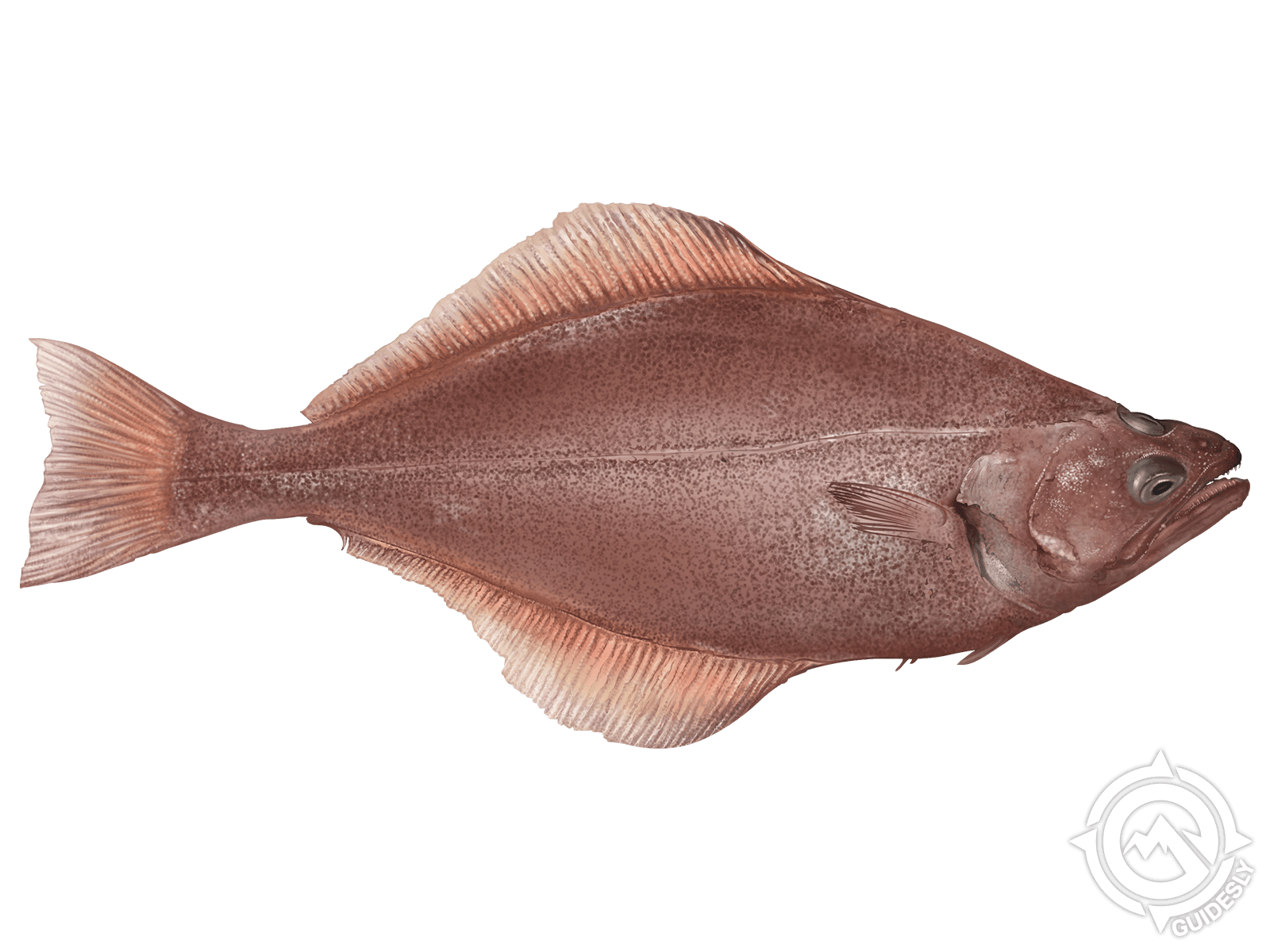
Arrow-Tooth Flounder: Another oddball for our area, but let's talk flounder in general. These flat fish are masters of camouflage, blending in perfectly with the sandy bottom. They're ambush predators, so when you're bottom fishing, keep an eye out for that telltale thump. They might not look like much, but they're delicious eating if you're into that.
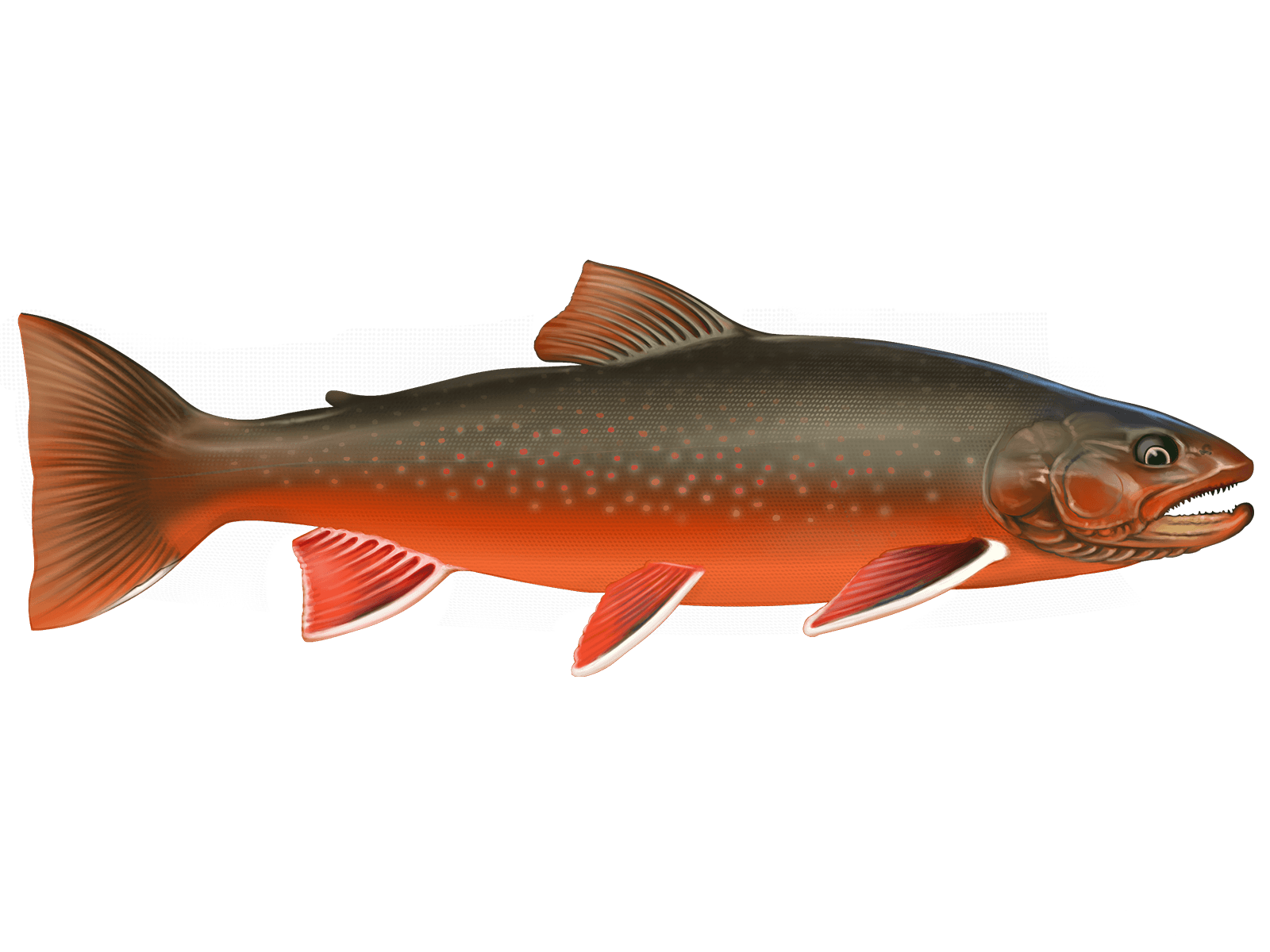
Arctic Char: Again, not a Palm Beach regular, but let's pivot to talking about char-like species we might encounter. Think of fish like snook or redfish – they love structure and put up a mean fight. We'll target these guys around mangroves, docks, and other inshore structures. They're known for explosive strikes and powerful runs.
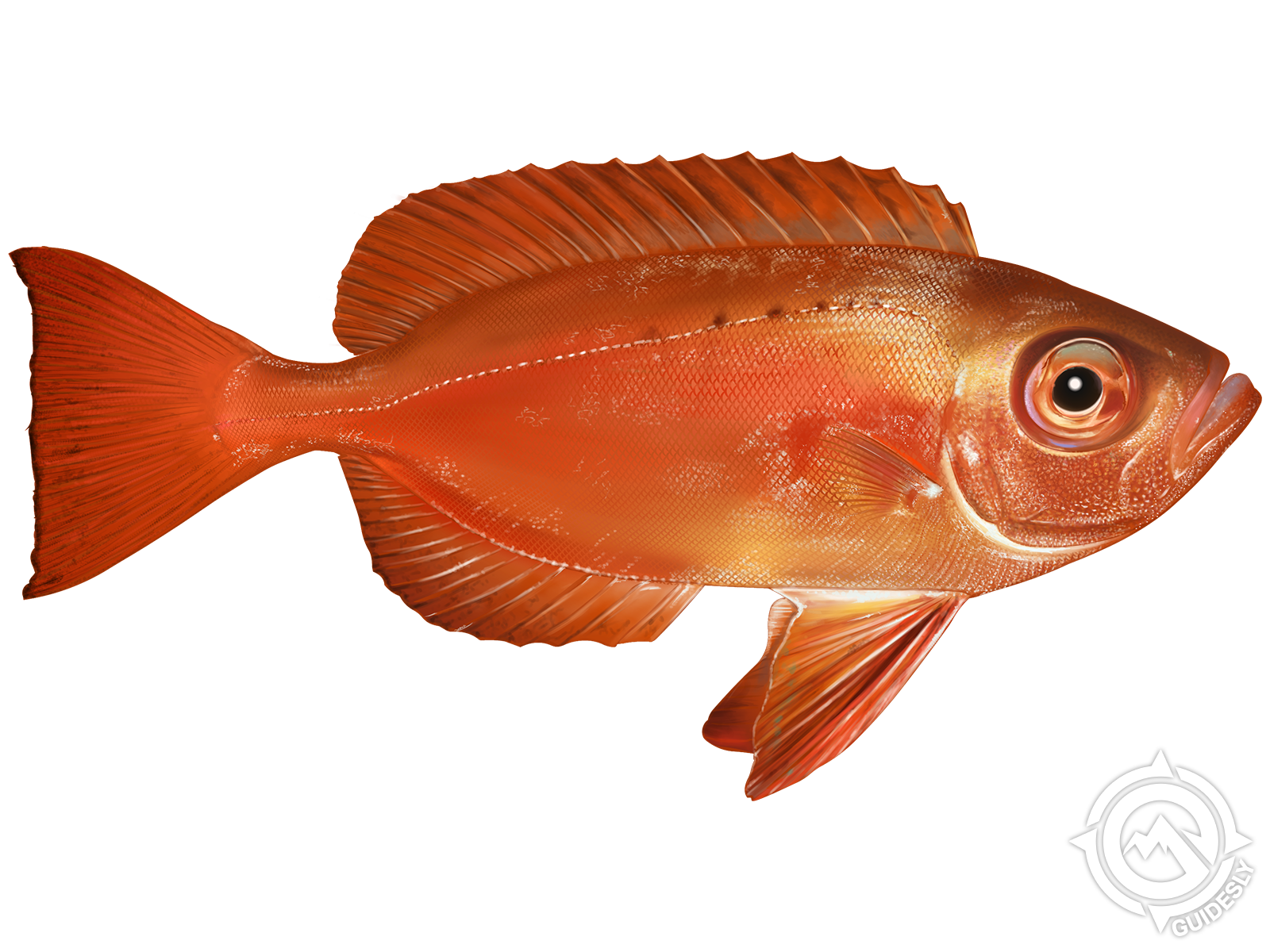
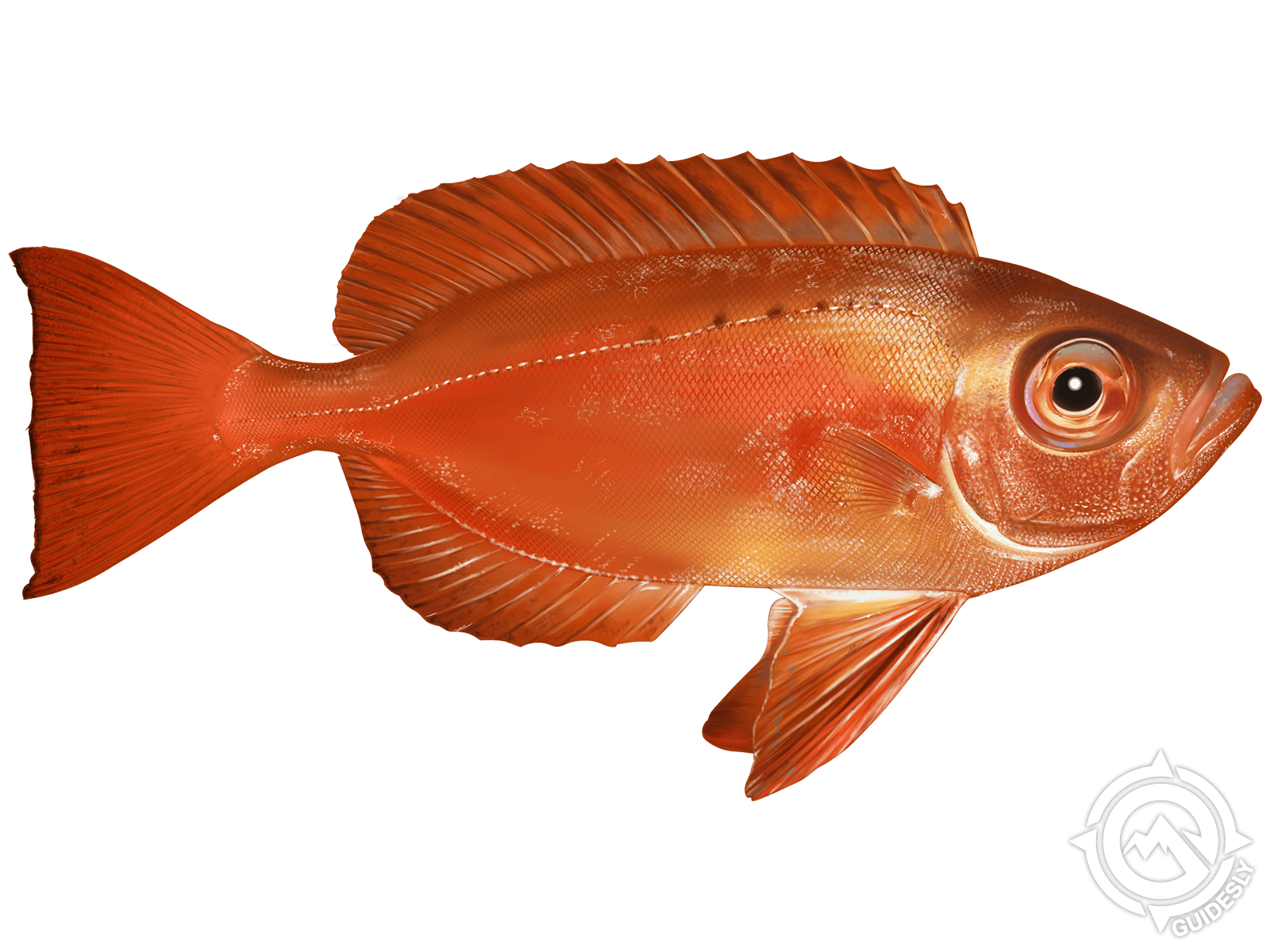
Atlantic Bigeye: Now we're talking! These deep-water predators are a real prize. They're cousins to the yellowfin tuna and fight just as hard. We typically find them in the cooler months when they move closer to shore. If we hook into one of these, be ready for a workout. They can easily top 100 pounds and will test your stamina.
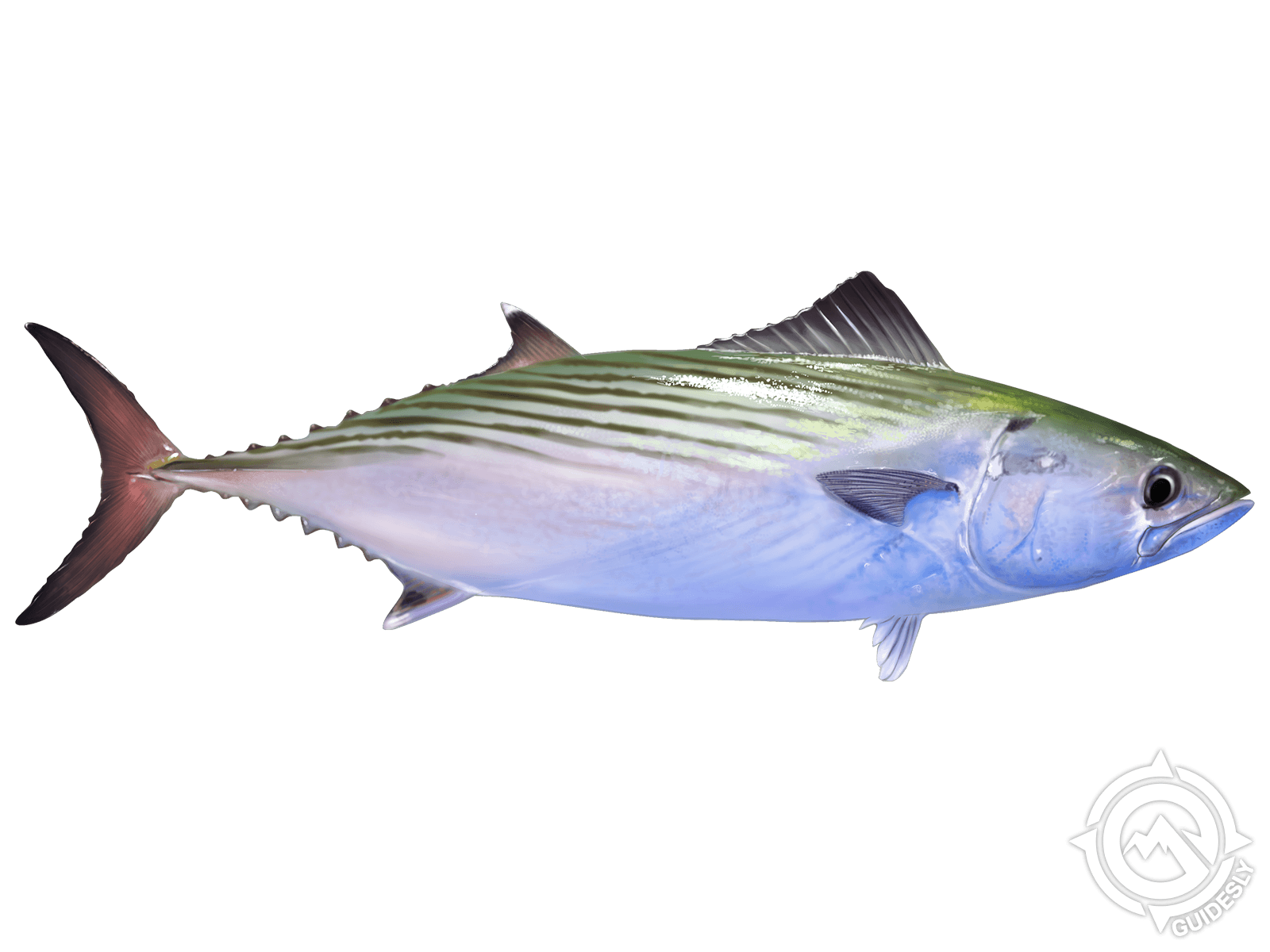
Atlantic Bonito: These guys are like mini tunas and they school up big time. When we find them, it's often a frenzy. They're fast, hard-fighting, and make great bait for bigger predators. Don't let their size fool you – pound for pound, they're some of the strongest fish in the sea. Light tackle and fly fishermen love targeting these speedsters.
Time to Get Out There!
Look, I could go on all day about the fish we might catch, but the truth is, you've got to experience it for yourself. Palm Beach fishing is world-class, and this trip is designed to give you a taste of everything. Whether you're after a trophy fish for the wall or just want to bend a rod and have some laughs, we've got you covered. Remember to bring some cash for live bait and to take care of the mate – they work hard to put you on fish. Other than that, just bring your sense of adventure (and maybe some snacks and drinks). We'll provide the rest, including your fishing license. So what are you waiting for? The fish are out there, and they're not going to catch themselves. Book your spot now and let's make some memories on the water!
Customer Reviews
Crew Excellence

soundarya s
August 1, 2025
Awesome Adventure
Great trip
soundarya s
August 1, 2025
Learn more about the species
Arctic Char
Arctic Char are a cool-water species related to salmon and trout, typically ranging from 11 to 29 inches. You'll find them in northern freshwater lakes and coastal areas, often in waters less than 3 feet deep. They're at their best from late May through early July when they're feeding on migrating salmon. Char put up a strong fight and are prized for their delicious, mild flavor - a real crowd-pleaser for fish tacos. When targeting them, use bright-colored lures like leech imitations or smolt patterns. A local tip: they spook easily in shallow water, so watch your shadow and don't overcast one spot. For the best action, try Bristol Bay or the Brooks Range lakes. Remember, the optimal water temp for these guys is between 39 and 60 degrees.
Arctic Grayling
Arctic Grayling are a unique catch, known for their striking sail-like dorsal fin and colorful markings. These members of the salmon family typically run 10-24 inches long, weighing 1-4 pounds. You'll find them in cold, clear rivers and lakes, often in higher elevations. They're most active from June to September, with August and September being prime feeding months. Grayling put up a good fight for their size and are a blast on light tackle. Fly fishing is the go-to method - try dry flies or small spinners. Remember, they have small mouths, so keep your lures under 1.5 inches. A local tip: look for them in fast water near broken rock shorelines. They spook easily, so approach quietly and avoid casting your shadow over the water.
Arrow-Tooth Flounder
Arrow-Tooth Flounder are an interesting bottom-dweller, often mistaken for halibut. These flatfish can grow up to 3 feet long, with females generally larger than males. You'll find them hanging out on the ocean floor, anywhere from 60 to 2400 feet deep. They're most active in cooler months, making fall and winter prime catching times. Arrow-Tooths put up a decent fight and are fun to target if you're after something different. When fishing for them, use pink shrimp or krill as bait - that's their favorite snack. A good tip is to use 6/0 hooks for the bigger ones. Look for them around docks, piers, and coral reefs. Just be ready for a deep-water adventure, as these guys like to hide in the depths.
Atlantic Bigeye
Atlantic Bigeye are a unique catch, known for their huge eyes that help them hunt at night. These fish usually run 8 to 20 inches long and weigh 2 to 6 pounds. You'll find them hanging around coral reefs and rocky areas, often in deeper waters. They're most active at dawn and dusk, making those prime fishing times. Bigeyes put up a good fight for their size and are fun to target if you're looking for something different. To catch them, try using a Sabiki rig with small golden hooks. A local tip: jig the rig to create a jerky motion that mimics their prey. Look for them in mid-water to bottom depths, especially in tropical Atlantic waters. Remember, they're nocturnal, so early morning trips can be your best bet for landing one of these red-bodied beauties.
Atlantic Bonito
Atlantic Bonito are speedsters of the sea, capable of hitting 40 mph. These mackerel cousins typically run 12-30 inches and weigh up to 12 pounds. You'll find them in coastal waters, often near the surface in large schools. They're most active in warmer months when water temps are in the 60s. Bonitos are a blast to catch - they fight hard and make exciting surface strikes. Look for birds diving to spot feeding schools. When you find them, they'll hit almost any fast-moving lure. A local tip: if it's windy, go with metal lures; otherwise, soft plastics work great. Troll or cast into the school with lures that mimic small baitfish like menhaden or mackerel. While not prized for eating in the U.S., they're fun to catch and release or use as bait for bigger game.
About the Motorboat (engine-powered)
%2F%2Fusers%2F7402ab04-2209-4e64-a9af-d972d7468491%2Fvehicle_picture%2Fistockphoto-1483065861-1024x1024.jpg&w=1920&q=75)
Vehicle Guest Capacity: 12
Manufacturer Name: Cummins
Maximum Cruising Speed: 30
Number of Engines: 2
Horsepower per Engine: 270

Friendly, helpful, and experienced crew members who provide instruction and assistance are highly valued.