How to Choose Your First Scuba Diving Certification
%2Ffit-in%2F300x300%2Fusers%2F7402ab04-2209-4e64-a9af-d972d7468491%2Fprofile%2F1.webp&w=128&q=75)
Second Chance Fishing Adventure Charters LLC · Florida, United States
 Published: Sep 20, 2026
 7 min read
How to Choose Your First Scuba Diving Certification Program
The underwater world beckons with coral reefs teeming with life, shipwrecks holding centuries of history, and marine encounters that transform your perspective on our planet. But before you can explore these depths safely, you need proper training. Choosing your first scuba diving certification sets the foundation for every dive that follows. With multiple training agencies, course formats, and certification levels available, selecting the right program requires understanding what each offers and how it aligns with your diving goals.
Understanding Scuba Diving Certification Agencies
Three major organizations dominate scuba training worldwide: PADI (Professional Association of Diving Instructors), SSI (Scuba Schools International), and NAUI (National Association of Underwater Instructors). Each maintains rigorous safety standards, but their teaching philosophies differ.
PADI follows a structured, standardized approach. Their Open Water Diver course uses a modular system where you complete knowledge reviews, confined water training, and open water dives in a specific sequence. This consistency means PADI-trained divers receive similar instruction whether they learn in California or Thailand.
SSI emphasizes personalized learning through their "Diamond Standard" approach. Instructors have more flexibility to adapt training to individual student needs while maintaining safety standards. SSI also integrates digital learning seamlessly, allowing students to progress at their own pace.
NAUI takes a "minimum standards, maximum education" philosophy. Instructors can exceed basic requirements, teaching additional skills they deem valuable. This approach often produces more comprehensive training but can vary significantly between instructors.
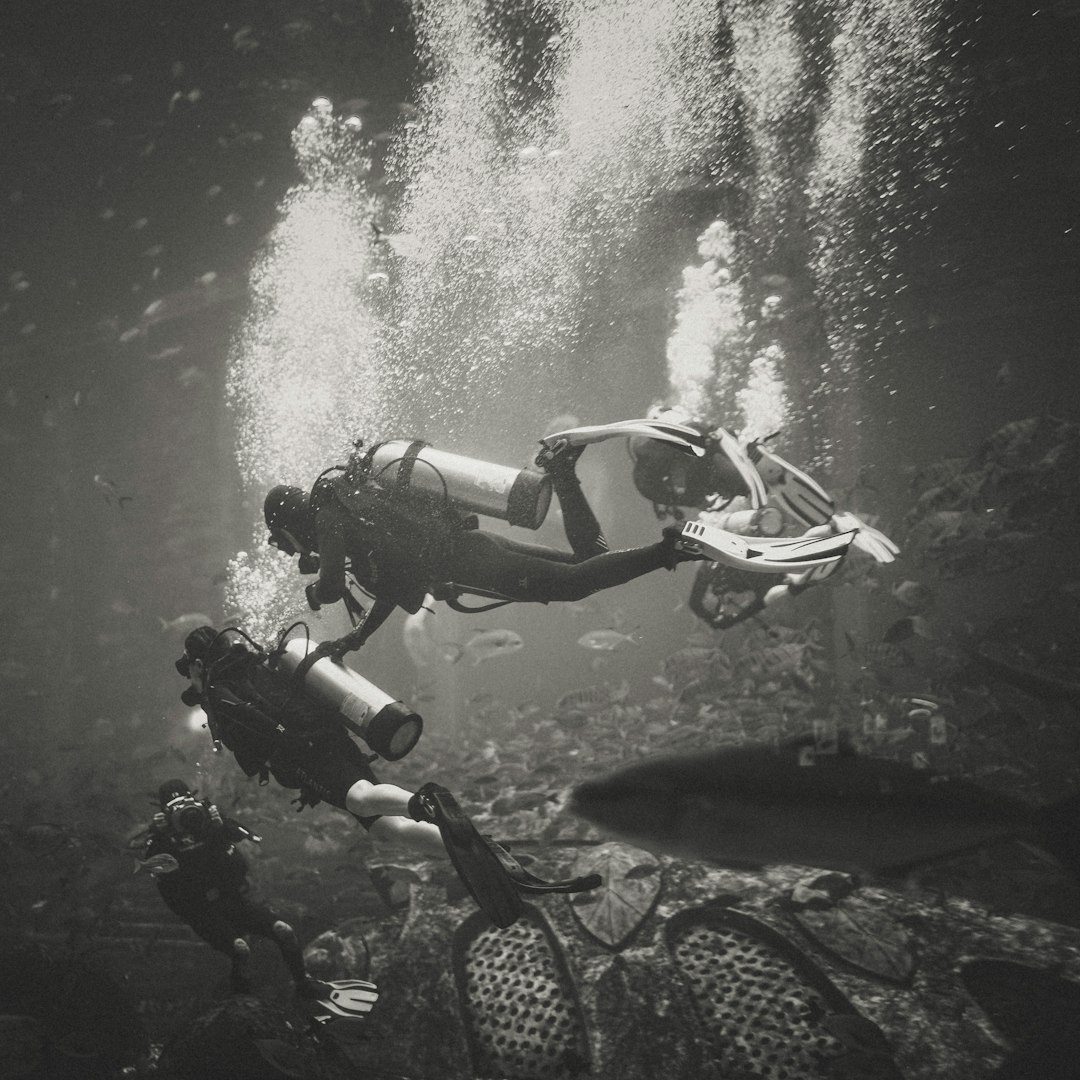
All three agencies issue internationally recognized certifications. Your choice often depends on instructor quality and local dive shop affiliations rather than the agency itself.
Entry-Level Certification Options
Most beginners start with Open Water certification, but several entry points exist. Discover Scuba Diving programs offer shallow water experiences without full certification—perfect for testing your comfort level before committing to a complete course.
The Open Water Diver scuba diving certification represents the standard entry level, qualifying you to dive with a certified buddy to depths of 60 feet (18 meters). This certification requires classroom or online study, pool or confined water training, and four open water training dives with an instructor.
Some programs offer "referral" options where you complete classroom and pool work locally, then finish open water dives at a vacation destination. This works well if you live far from suitable diving sites but want to complete certification in tropical waters.
Advanced certifications like Adventure Diver or Advanced Open Water can follow immediately after your initial training. These programs introduce specialties like deep diving, navigation, and night diving while building confidence through guided experiences.
Course Formats and Learning Styles
Traditional classroom-based courses meet weekly over several weeks, combining theory with practical skills. This format allows time to absorb information gradually and ask questions as concepts develop. Many students appreciate the social aspect of learning alongside others.
Intensive weekend or vacation courses compress training into a few days. These work well for motivated learners with limited time but require rapid skill acquisition. Success depends heavily on your learning style and comfort in water.
Online learning components have revolutionized scuba education. E-learning modules let you complete theoretical portions at your convenience, then focus pool and ocean time on practical skills. This hybrid approach suits busy schedules while maintaining hands-on training quality.
Private instruction costs more but offers personalized attention. Nervous students or those with specific learning needs often benefit from one-on-one training. Private courses also provide scheduling flexibility that group courses cannot match.
Evaluating Instructors and Dive Centers
Your instructor matters more than the certification agency. Look for professionals who prioritize safety, demonstrate patience, and maintain current certifications. Experienced instructors hold multiple specialties and continue their own education regularly.
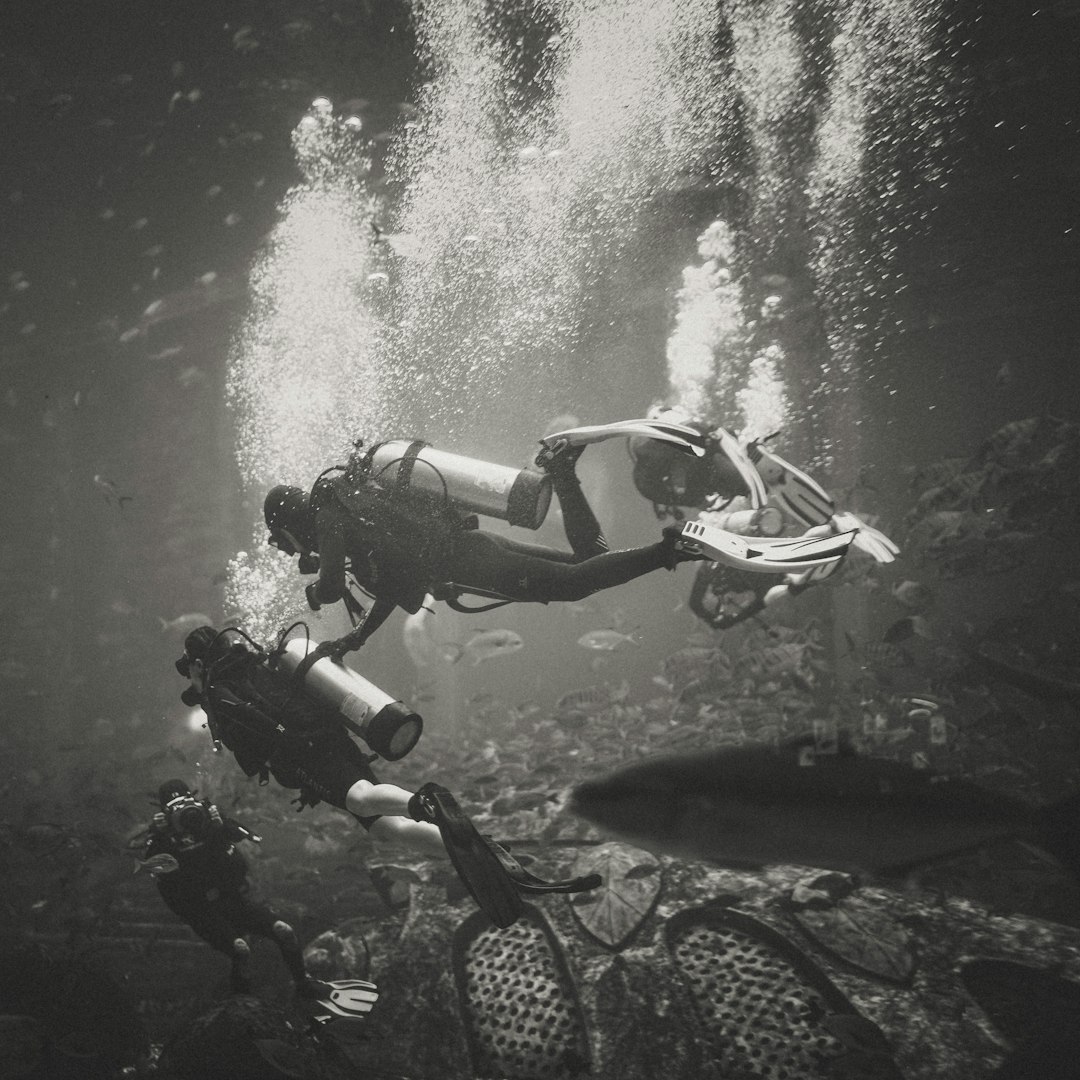
Visit potential dive centers before enrolling. Well-maintained facilities indicate attention to safety and professionalism. Equipment should appear current and properly serviced. Ask about student-to-instructor ratios—smaller groups receive more individual attention.
Read reviews and ask for references, but remember that teaching styles vary. An instructor perfect for confident swimmers might overwhelm nervous beginners. Meet potential instructors personally to assess compatibility.
Established dive centers often provide better ongoing support. They organize local diving activities, offer equipment maintenance, and provide continuing education opportunities. These relationships prove valuable as your diving develops.
Cost Considerations and Value
Scuba diving certification costs vary significantly by location and program format. Basic Open Water courses range from $300 to $600, not including equipment. Resort destinations often charge premium prices but include tropical water training.
Compare what each program includes. Some courses provide all equipment during training, while others require rental fees. Books, certification cards, and online access may carry additional charges. Understanding total costs prevents surprises.
Consider long-term value beyond initial certification price. Quality instruction prevents bad habits that require correction later. Comprehensive training builds confidence that enhances diving enjoyment and safety.
Many dive centers offer package deals combining certification with equipment purchases. These can provide savings, but avoid pressure to buy gear before you understand your preferences and needs.
Preparing for Your Training
Physical fitness requirements for recreational diving are modest, but basic swimming ability is essential. You'll need to demonstrate water comfort, including treading water and swimming specific distances. Most programs require medical clearance, especially if you have health concerns.
Mental preparation proves equally important. Diving presents new sensations and challenges that require calm responses. Practice relaxation techniques and maintain realistic expectations about learning curves.
Start learning about scuba equipment basics before your course begins. Understanding how gear functions helps you focus on skills during training rather than struggling with unfamiliar concepts.
If you're ready to begin your underwater journey, contact a certified dive center near you to discuss training options and schedule your scuba diving certification program. Professional instructors can assess your needs and recommend the most suitable path for your diving goals.
Selecting your first diving certification program shapes your entire underwater journey. Focus on finding quality instruction that matches your learning style rather than simply choosing the cheapest option. A well-chosen scuba diving certification provides the foundation for safe, confident diving in waters around the world. Take time to research local dive centers, meet potential instructors, and understand what each program offers. Your investment in proper training pays dividends every time you descend beneath the surface to explore the ocean's wonders.